Eating whole grains matters in home cooking and baking because whole grains are nature’s whole food.
Unlike refined grains, whole grains keep all edible parts of the grains which means more fiber, vitamins, minerals, and plant compounds that help support digestion, healthy blood, and digestion.
What a delight to know that in our modern world we can still create breads and other baked goods using timeless grains!
The Benefits of Using Whole Grains in Cooking
Whole grains will turn your everyday breads, pancakes, muffins and household favorites into power packed meals your family will grow to love!
By using whole grains, you’re adding more fiber, vitamins, and minerals to foods you’re probably already preparing.
The best part is that whole grains don’t mean giving up taste.
Your favorite recipes will actually have more depth of flavor and be more nutrient dense.

Milling whole grains for breads and baked goods may sound overwhelming. Especially as a busy mom.
But from my experience, the benefits far out way the few extra steps it takes to mill your own flour.
Over time, these small swaps can build healthier eating habits your family can enjoy together.
Whole grains are exactly what they sound like, grains that keep all their natural parts: the bran, the germ, and the endosperm.
When we eat the whole grain in bread, we’re getting the full package of nutrients that nature intended.
But, when grains are refined, the bran and germ are stripped away taking most of the fiber, vitamins, and minerals with them.
What’s left is the commercial white flour that’s sold on grocery stores shelves.
Why does this matter? Because fiber and other nutritional properties found in whole grains keeps our digestion moving, helps balance blood sugar, and even helps us feel fuller longer.
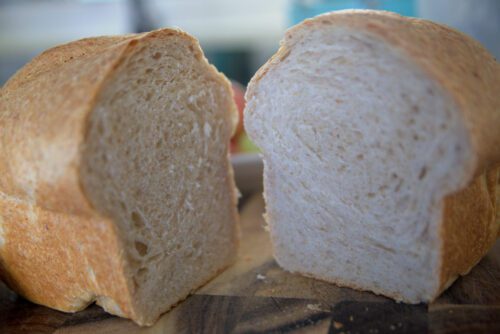
The germ and bran are also full of B vitamins, antioxidants, and healthy fats, key nutrients that support heart health, brain function, and energy levels.
When you feed your family whole grains, you’re not just filling bellies, you’re nourishing bodies with real, unprocessed food that supports long-term health. And that’s a choice worth making every day!
What Makes Whole Grains So Good?
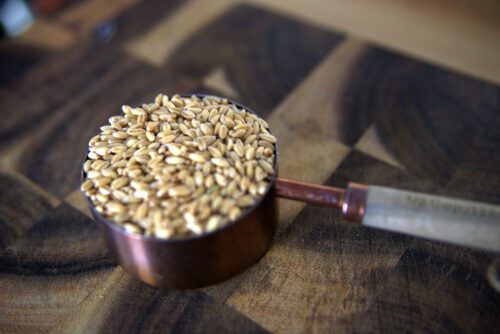
When a wheat berry (a.k.a. a whole grain) is freshly milled preferably right before baking, you get to enjoy the natural health benefits of the grains in your baked goods.
Some of the health benefits include the following:
- B Vitamins
- Vitamin E
- Vitamin K
- Iron
- Magnesium
- Phosphorus
- Zinc
- Selenium
- Potassium
- Fiber
- Healthy Fats/ Fatty Acids
- Protein
- Antioxidants
- Complex Carbohydrates
Therefore, your baked goods can be enjoyed with less guilt when made with freshly milled flour!
Take it a step further and bake with fresh milled flour along with sourdough, and you now can appreciate a nutrient dense, satisfying choice.
Improved Blood Sugar Control
Freshly milled whole grains help support lower blood sugar levels due to the high fiber and low glycemic.
Low glycemic foods such as whole grains, helps prevents substantial glucose spikes and crashes throughout the day.
When blood sugar stays balanced, focus, mood and overall energy is improved throughout the day.
*Many people find they are able to enjoy true whole grain bread without experiencing the same negative side affect from bread baked only with conventional flours.
The Difference Between Freshly Milled Flour and Store-Bought Flour
Freshly milled flour is made by using a grain mill and grinding wheat berries into flour right before baking.
Using flour immediately after milling allows you to utilize all of the nutritional properties when they are as fresh as possible.
Fresh milled flour has the bran, germ and endosperm as the flour components.
Store-bought flour is typically milled months, and unfortunately sometimes years in advance. Most of the nutritious parts are sifted and removed from the flour to help with longer shelf life.
Is there a downside to eating whole grains?
It’s important to source grains that are not sprayed with harmful chemicals. Some of the most common are:
- Glyphosates
- Harvest aides
- Fungicides
- Insecticides
Some farmers use these chemical to reduce weeds, fight against insects, preserve crops and speed up the harvesting process.
Overtime, these chemicals can have a lasting negative affect on your health.
It’s important to sources grains that are untreated, and organic.
How To Tell If Bread Is Actually Whole Grain
The most important step in determining if bread is baked using whole grains is to read the ingredients.
This is not to be confused with marketing labels. Instead, read the ingredients label.
The first ingredient should have “whole grain”.
Whole grains is a clear indication that the bread is baked with all parts of the wheat berry.
The ingredient label will also list all other ingredients used.
A few things to remember:
- Just because bread is brown or darker in color does not mean it’s whole grain.
- All artisan bread loaves are not baked using whole grains. Read the ingredient label or ask the baker to be sure.
What’s the easiest way to eat whole grains?
The easiest way for you and your family to eat more whole grains is by swapping freshly milled flour with all purpose flour.
Even substituting a recipe that calls for all purpose with at least half freshly milled flour will boost the nutrition.
And this is not just limited to bread baking.
Pizza crust, waffles, and even desserts like cinnamon rolls and brownies can all be partially or completely swapped with fresh milled flour.
Eating more whole grains doesn’t have to mean changing everything overnight.
These small simple steps will make a meaningful difference over time.
Eating whole grains matters in home cooking and baking because whole grains were meant to be enjoyed in our everyday cooking! Even as home cooks.
Once you find your rhythm, whole grains can become a natural part of the foods your family already loves.