Wild yeast is the lactic acid bacteria within the air of an immediate environment. This is good bacteria.
Saccharomyces cerevisiae is another good bacteria collected from within the air, known as baker’s yeast.

As the bacteria builds up in the flour and water it naturally breaks down the starches and sugars.
This wild yeast is what starts fermentation within the bread dough and gives bread it’s sour, tangy flavor.
Many people who are new to cooking from scratch are curious why wild yeast is used instead of commercial.
The simple answer is wild use is healthier, cause easier digestion, and offers a more complex flavor profile.
Learning how to bake with with wild yeast is a kitchen skill worth learning.
Natural Fermentation Benefits
Wild yeast doesn’t work alone.
It teams up with naturally occurring lactic acid bacteria during fermentation.
This slow, natural process helps break down gluten, makes nutrients more available, and creates a loaf that’s easier to digest.
Many people who struggle to eat regular bread find sourdough made with wild yeast much gentler on their stomachs.
Better Flavor Development
That rich, slightly tangy flavor you love?
That comes from wild fermentation. It takes time to develop that depth, and commercial yeast just can’t replicate it.
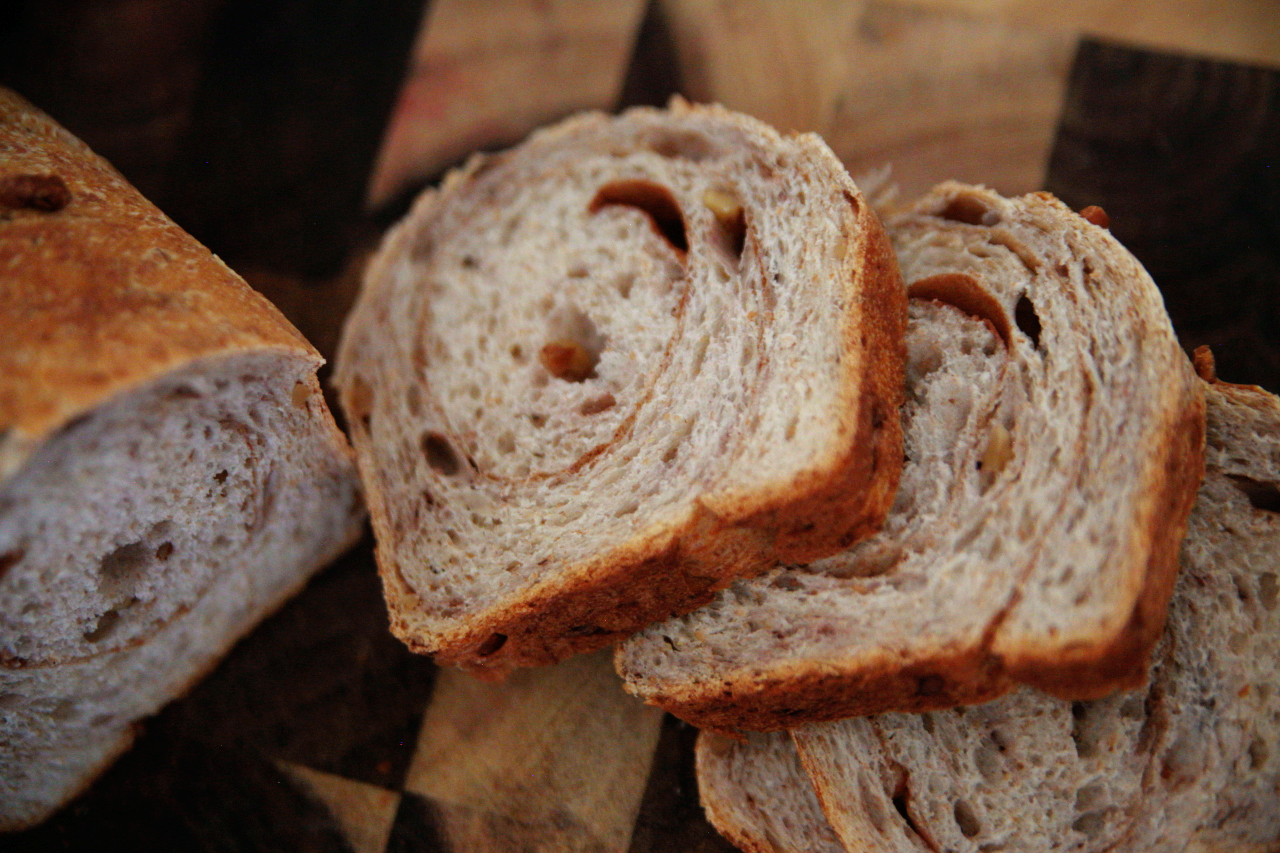
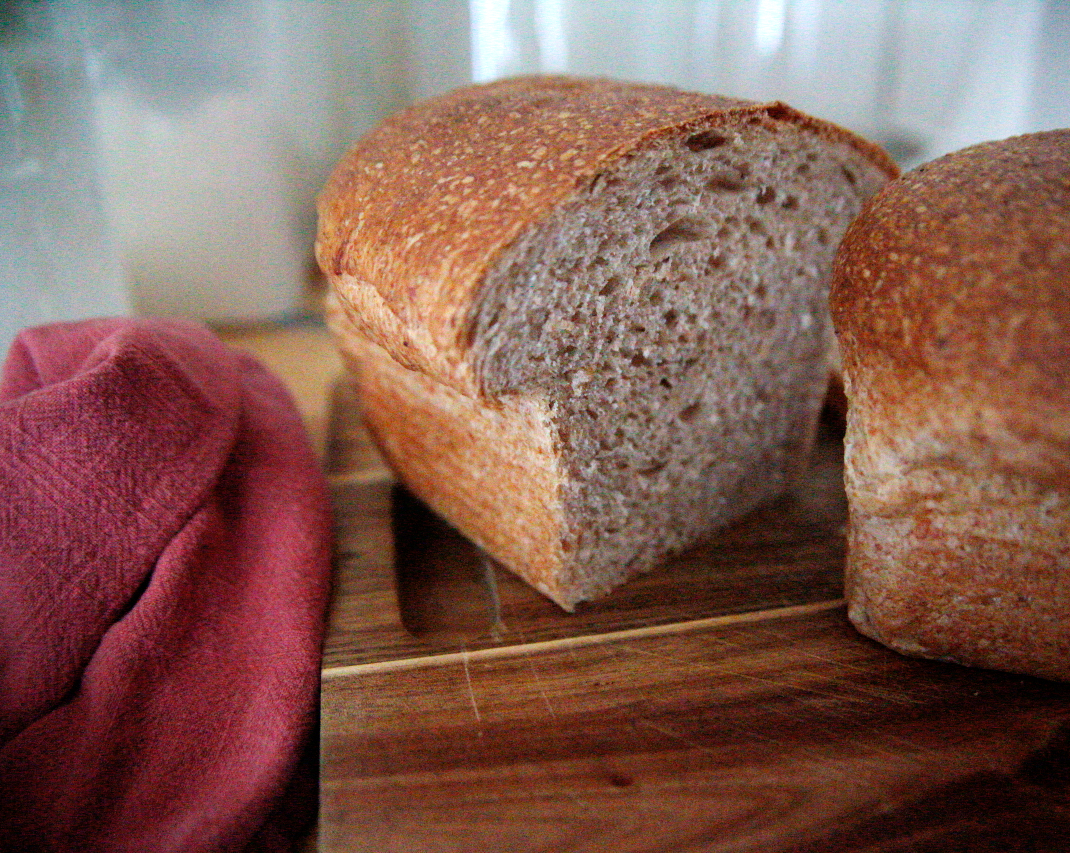
When you bite into a slice of well developed sourdough bread, you’re tasting bread the way it’s meant to be.
We Believe in Real Food
Baking with whole grains freshly milled and wild yeast is slower and takes more care, but we wouldn’t do it any other way.
It reflects our core values: real ingredients, slow food, and nourishing traditions. Our starter is alive and well-fed, and every loaf begins with that same small, powerful culture of just flour and water, bubbling with wild yeast that we’ve nurtured for years!
Biggest Mistakes with Sourdough Starter
1. Baking With A Weak Starter
A sourdough starter that is not well fed, sluggish, or kept in an unhealthy environment will result is subpar bread.
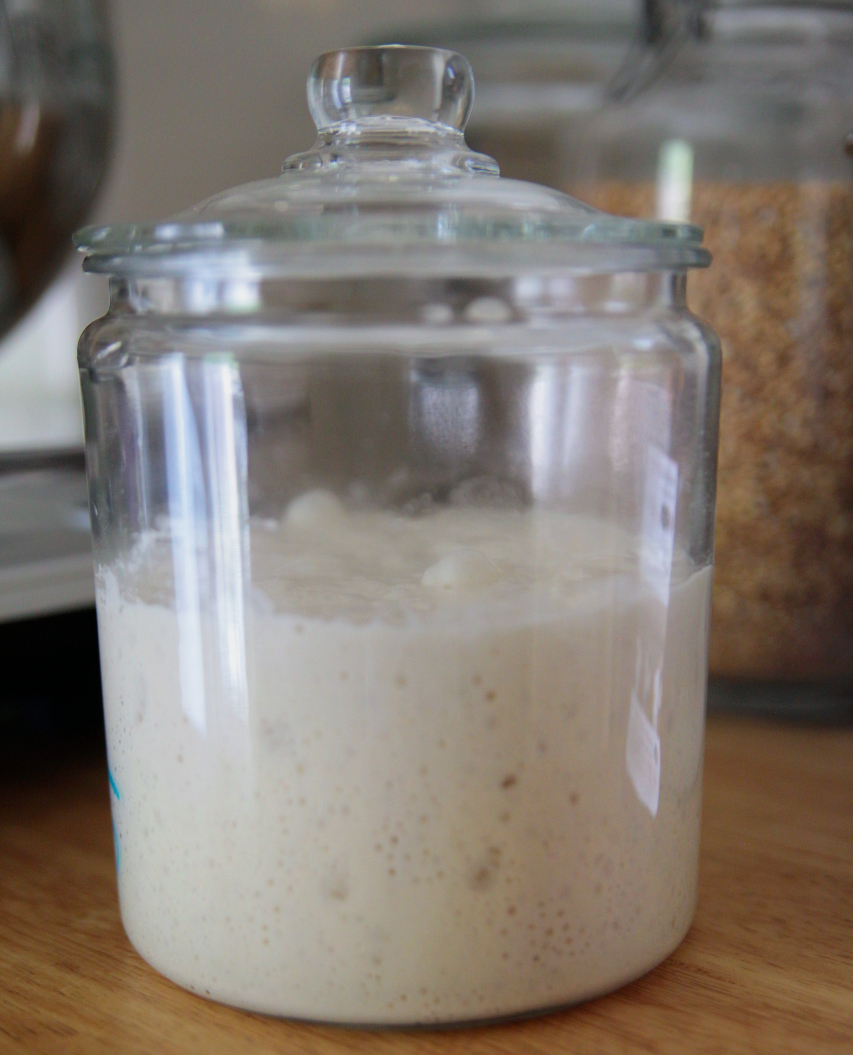
A starter that regularly double in size, shows lots of bubble activities, and has a tangy slightly sweet smell are all signs of a happy starter.
Since the starter is the core of our products the starter is where the care and attention begins.

2. Rushing Fermentation
Baking with wild yeast is a slow process.
Within the baking schedule, there must be allotted time for proper fermentation.
Finding the best fermentation time in every kitchen is a bit different because it depends on many factors such as:
- Environmental temperature
- Types of flour
- Humidity levels
- Water temperature
- Amount of starter used
- Dough handling
Fermentation is best perfected with trial and error according to each specific recipe, ingredients and baking conditions.
3. Over Fermentation
As you can probably tell, fermentation is a huge part of baking with 100% wild yeast.
And getting it just right is the key.
Just as important as not rushing fermentation is not allowing the dough to over-ferment.
When dough is over fermented, you will notice the dough begins to rip while proofing, overly sticky, doesn’t hold it’s shape, and does not rise well while baking.
Once dough has over-fermented it’s nearly impossible to turn back the damage.
To avoid over-fermentation you have to learn how to watch your dough and not the clock!
There are many methods and techniques taught to help bakers improve fermentation time.
My personal favorite is the Dough Awareness / Look and Feel Method.

Dough that has softly risen anywhere between 30%-50%, airy to the touch, and not too gooey is what helps us create consistent results in our baked bread.
Wild Yeast FAQs
What does wild yeast do in a sourdough starter?
Wild yeast creates a natural leavening agent, as well as the necessary properties to begin fermentation in the dough or batter. Wild yeast creates rise while developing flavor and texture. Unlike commercial yeast, wild yeast works slowly, which allows the dough or batter to build deeper taste and a better bread crumb.
Is wild yeast better than commercial yeast for bread?
Wild yeast offers advantages commercial yeast does not offer such as gut health benefits, improved digestibility, and more complex flavor.
Commercial yeast, however, rises bread faster and is more predictable.
Is sourdough with wild yeast healthier?
Many people find sourdough bread made with wild yeast easier to digest, because of the long fermentation. The long fermentation process helps to break down certain compounds in flour. Sourdough may also support steadier blood sugar levels compared to quick- rise breads made with commercial yeast.
How long does wild yeast take to rise dough?
Wild yeast usually takes longer than commercial yeast, typically anywhere from 4 to 12 hours. This depends on the environmental temperature, starter strength, and the amount of starter used in a recipe.